Dreiviertelmond/Nürnberg mal anders

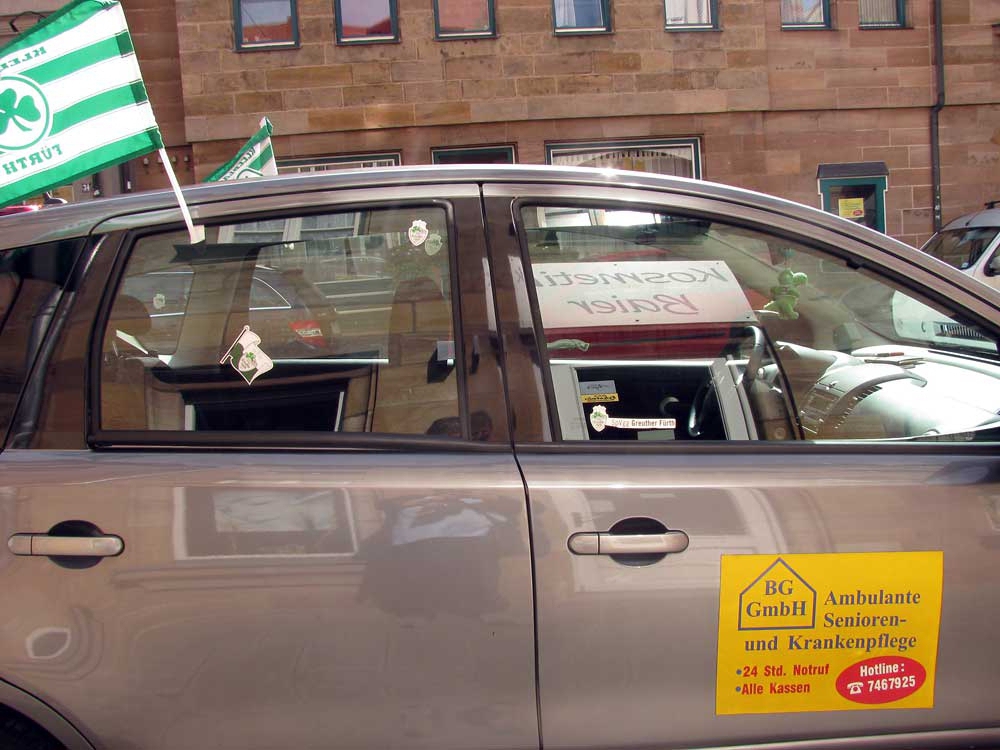
Ganz am Anfang des Films geht es mit dem Taxi nach Gostenhof – aber das ist die Mathildenstraße in Fürth, in der Nähe des Geburtshauses von Henry Kissinger. Das Klinikum, in dem die Oma des kleinen Mädchens stirbt, ist das Fürther Klinikum. Das Geschäft, das die Tochter des Taxifahrers in ein “Schuh-Café” verwandelt, ist die alte Apotheke in der Mathildenstraße, eigentlich fast gegenüber vom Haus am Anfang. Die Metzgerei ist anscheinend Sellerer in der Hirschenstraße, der Gemüseladen Früchte-Oase in der Schwabacher Straße (nahe Rathaus – dort werden Döner aber eigentlich nicht serviert), der türkische Kulturverein auch in Fürth.

Hier ein Bericht über den Drehstart 2010:

“Dreiviertelmond” ist ein ergreifendes Feel-Good-Movie von Drehbuchautor und Regisseur Christian Zübert (Lammbock – Alles in Handarbeit, Der Schatz der weißen Falken). Hauptdarsteller Elmar Wepper, der zuletzt mit seiner großartigen und mehrfach preisgekrönten Darstellung in Doris Dörries Kirschblüten – Hanami die Kinogänger im Sturm eroberte, ist die Rolle des grantigen Taxifahrers auf den Leib geschrieben.

Und hier ein Artikel dazu.

Dass er zum Komparsen und sein Laden zur Kulisse wird, hatte Bulut vor ein paar Monaten nicht im Traum gedacht. Den ganzen Tag dreht das Filmteam in der Früchte-Oase. Weil der Händler in dieser Zeit nichts verkaufen kann, bekommt er eine Aufwandsentschädigung. Zwar spielt der Film in Nürnberg und wird überwiegend dort gedreht, doch bei der Suche nach Drehorten habe man in Fürth „einfach viele tolle Ecken gefunden“, sagt Aufnahmeleiter Drexler. …

In der Fußgängerzone wartet Elmar Wepper auf die nächste Szene. Eine Wärmflasche in der Hand hilft gegen klamme Finger. Der Schauspieler ist offen und zugänglich, plaudert mit Passanten. Von Fürth kannte er bislang nur den Namen, sagt er. Umso überraschter sei er vom intakten Stadtbild. Fürth habe Charme und Charakter. Die Menschen begegnen ihm herzlich, aber mit einer gewissen Vorsicht, was Wepper als „recht angenehm“ bezeichnet. Es scheint schlimmere Drehorte zu geben als die Fürther Innenstadt.

This is a film I would not normally have gone to see, because the story sounds too predictable and sentimental: a disillusioned 60-year-old Franconian taxi driver helps a little Turkish girl whose grandmother is in hospital and comes to realize the important things in life. I went to see it because, although it’s described as being set in Nuremberg, it shows a lot more of Fürth (the unmentionable). Gostenhof in Nuremberg turns out to be Mathildenstraße in Fürth etc. Another negative point for the film is that it was praised in the TV news (ARD?) – every few months they treat us to a film recommendation, largely films that are sentimental and German. If they recommended a film once a week it might be better, but the rarity of the reviews makes you wonder what is behind it. For instance, they would never recommend something like Achternbusch’s Das Gespenst (The Ghost – English description here), in which an emaciated sculpture of Christ on the cross, in a loincloth, suddenly steps down from the wall and journeys through Bavaria.

My conclusion after seeing it: the film really is sentimental and predictable, but it is very well acted. Elmar Wepper was in Kirschblüten Hanami (Cherry Blossoms – click right through to the full text for a great computer-translated version) in 2008, which I didn’t see, playing a character whose wife plans to go to see the cherry blossoms in Japan but then dies, so he goes on his own. Probably some of the character was similar. Far too many shots of the towers of Nuremberg city wall, but maybe they got some funding from Nuremberg to make it look good, hopefully internationally.
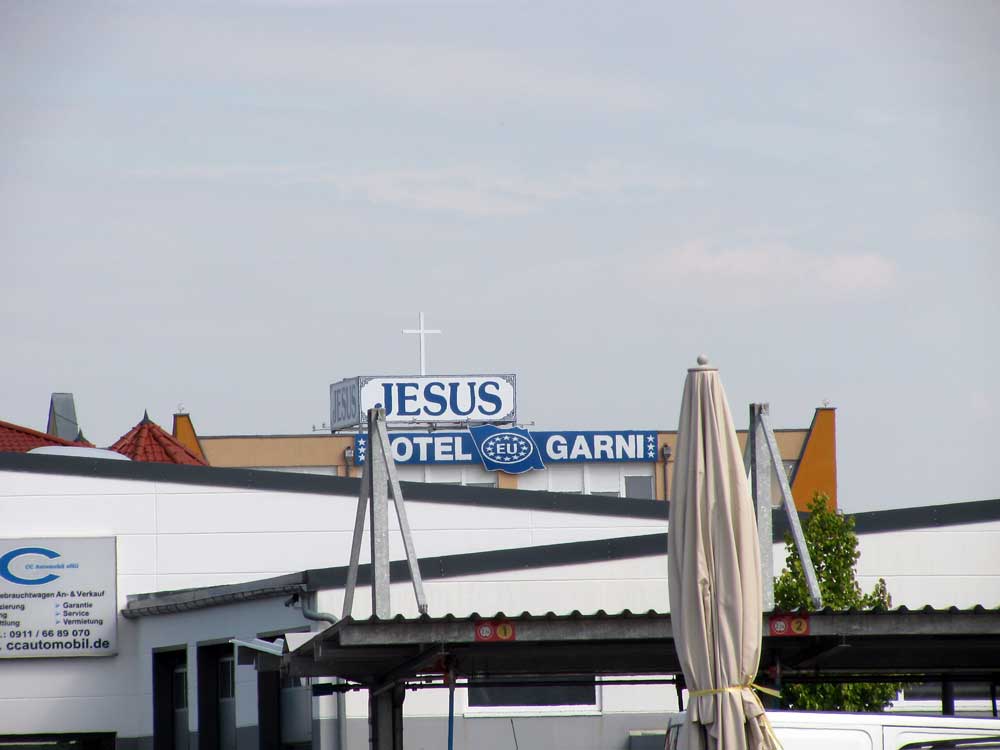
Some links/Links

1. Tradulinguas conference in Lisbon: There was a legal translation conference in Lisbon recently, which I couldn’t go to. Philippa Hammond has a report with links on her blog, Blogging Translator.

I would have been interested to hear some of the speakers. I see one of them was a Netherlands lawyer-translator called Antoinette Dop, who I once exchanged business cards with in Hammick’s in London.

One of the links leads to a PDF – scroll down here to Ingemar Strandvik – about multilingual drafting in the EU. The PDF must be by Ingemar Strandvik, although it has no name on it, and it refers to a ‘study’, which I presume means the conference paper. One thing that I wonder about the EU is how far the translators are responsible for the legislation – I had always assumed that it was the product of legislators, not necessarily linguists or even lawyers – and I presume that is true of the first drafts, but these are followed by translation into the remaining of the 23 languages.

This is not a co-drafting process in 23 languages as such but a system based on three alternating stages: drafting in the source language, translation into all of the official languages and legal revision of the different language versions with a view to ensuring that each one has equivalent legal value. Translations thus become authentic documents and translators’ responsibility is equal to that of the authors of the source texts.

It would be interesting to hear some details of how the system works in practice – maybe the proceedings of the conference will be published some day.

2. In Sprechen Sie bureaucratisch? (sic), Johnson wonders why the UK issues landing cards in German.


3. law blog reports on a
decision of the Federal Court of Justice (Bundesgerichtshof) which held that a landlord’s clause requiring the tenant to paint the upper walls and ceilings white (weißen) was ineffective if it was part of general terms of business and restricted the tenant from choosing his own paint colours while living there. Some nice comments:

Mir wurde im Kunstunterricht immer eingebläut, daß Weiß gar keine Farbe ist.

Muammar

From the Oxford Dictionary for Writers and Editors:

Qaddafi, Muammar /Muhammed al-) (b. 1942) Libyan leader – use Qaddāfī in specialist texts; not Gadafi, Gadhdhafi, Qadafy, Gaddafi (although preferred by The Times), Gadaffi

See also As a Linguist … on Wait, who just died?

It’s been all over the news: the death of controversial, feared, despised, admired Libyan leader Mum…Muam…Moamm…

Let’s just say M., shall we? Right then. Libyan leader M. Ghad…Quad…Kadh…Gahd…

Crap. Just how the heck to you spell that guy’s name? According to one article I read many moons ago, there have been a recorded 112 different ways his name has been spelled. And that’s apparently not the only strange thing about him.

See also words to good effect on What’s in a name: spelling “Gaddafi”.

I’ve been “translating” his name (from the Italian version, Gheddafi) just about every day since the Libyan uprising began (I work with another translator on the English version of the Italian Foreign Ministry’s website). So when the rebellion broke out we had to decide quickly on which version to use.

We opted to follow the European Commission’s lead, Italy being a European Union country, and use Gaddafi.

Well, fair enough – but if we all followed EU recommendations, we would have to write ‘-ise’ instead of ‘-ize’. (EU English Style Guide, pdf, 7th ed. June 2011)

The Straight Dope has gone into the topic in great depth too. In reply to an apparently genuine comment from the Library of Congress:

For the record, here’s the official Library of Congress rundown on how to spell ol’ whatsisname: (1) Muammar Qaddafi, (2) Mo’ammar Gadhafi, (3) Muammar Kaddafi, (4) Muammar Qadhafi, (5) Moammar El Kadhafi, (6) Muammar Gadafi, (7) Mu’ammar al-Qadafi, (8) Moamer El Kazzafi, (9) Moamar al-Gaddafi, (10) Mu’ammar Al Qathafi, (11) Muammar Al Qathafi, (12) Mo’ammar el-Gadhafi, (13) Moamar El Kadhafi, (14) Muammar al-Qadhafi, (15) Mu’ammar al-Qadhdhafi, (16) Mu’ammar Qadafi, (17) Moamar Gaddafi, (18) Mu’ammar Qadhdhafi, (19) Muammar Khaddafi, (20) Muammar al-Khaddafi, (21) Mu’amar al-Kadafi, (22) Muammar Ghaddafy, (23) Muammar Ghadafi, (24) Muammar Ghaddafi, (25) Muamar Kaddafi, (26) Muammar Quathafi, (27) Muammar Gheddafi, (28) Muamar Al-Kaddafi, (29) Moammar Khadafy, (30) Moammar Qudhafi, (31) Mu’ammar al-Qaddafi, (32) Mulazim Awwal Mu’ammar Muhammad Abu Minyar al-Qadhafi.

The Neue Züricher Zeitung also considers the problem, which is just as great in German.