Transblawg is having a rest, although not totally from blogging.


Transblawg is having a rest, although not totally from blogging.
I mentioned the Linguee site when it first appeared. For the German>English combination, probably the first choice for the creators, it will give you quotes from bilingual websites. It has changed a bit over the years. The best change for me was the addition to the first page of URLs of the sites referenced.
Because, and this is the big problem, most bilingual DE/EN websites are probably German sites and the English on them may be non-native. It may be useful for terminology nonetheless.
Linguee is apparently very widely used. I use it much more than I ever thought I would, but I look most often at the .eu sites and usually ignore the .de ones.
Nikki Graham has the combination Spanish>English and she doesn’t find Linguee much use but likes Reverso: Time to Reverso your use of Linguee?
Reverso has a user-friendly, easy-to-read layout and a number of useful sections. I mainly tend to use just the dictionary (based on the 2005 edition of Collins for my es-en pair) and context parts of the site, although it offers translation (MT), conjugation, grammar and spellcheck sections as well. You can even download the Reverso app free onto your mobile phone to access its features on the go.
…They are right when they claim that professional translators will find the specialized entries in their dictionary very helpful, because I certainly do!
I’ve only had a quick look at Reverso, but it does not have the obscure or new German terms I usually look up. For instance Technikgeschoss came up in an architectural description recently – not actually uncommon nor unfamiliar to me, but Linguee immediately gives you several possibilities which you could then research further.
If I did not know the term service floor or plant room, I might open a dictionary on my shelves but I see it has been untouched for years. I would probably consult the Langenscheidt dictionaries online as a member of the BDÜ and Langenscheidt Technik would say:
Technikgeschoss n
• service floor; mechanical equipment floor; plant room level; mechanical floor pract
Reverso does have both a dictionary (Collins) and a collaborative dictionary, but I suppose that the terms in the latter are limited to those in the former, so there is rather a lack of specialized terminology. But I have only looked at it very briefly and not in connection with a specific translation.
In the recent comments on Zahn and Dietl, I was reminded that I use scarcely any paper dictionaries nowadays. I wonder if the online versions, especially Acolada ones with a subscription, will do better at adding new terminology.
Anyway, neither Linguee nor any dictionary solve a translator’s problems – they just provide a basis for further research.
LATER NOTE: in discussion on Twitter (I tweet as Transblawg but rarely engage), Anne de Freyman says she only uses the big Collins (unabridge?) FR>EN as the Reverso version is too small – which was my impression. However, I haven’t been using the Collins Unabridged DE>EN as much as I used to. I find the Collins online thesaurus good. Anne wrote that she uses Evernote Premium to create a custom search engine, in effect, accessible on all devices, and including whole websites and glossaries. An interesting possibility, although I could collect hundreds of sites before finding one of my new terms in one.
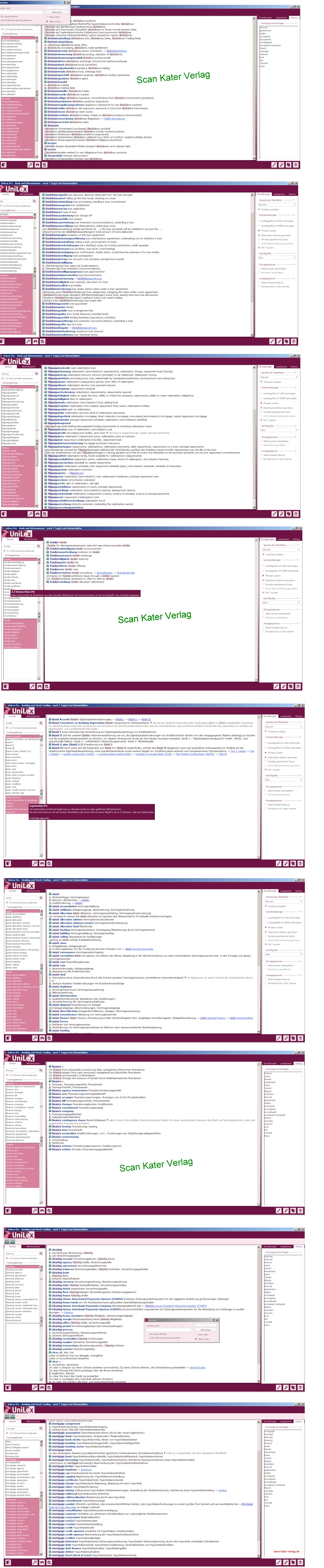
Zahn’s excellent dictionary of banking and stock trading DE>EN, which has made the shortlist of paper dictionaries within reach of my desk, is now available – actually in both directions, I gather – in a digital edition compatible with other Acolada dictionaries. Here’s the page about the download. Apparently there used to be a digital edition but that stopped ten years ago.
More information plus a sample at Kater Verlag.
It seems there is a 7th ed DE>EN in print and a 6th edition EN>DE, both 2015 (I have the 6th ed. DE>EN, 2011).
Entspricht den Print-Ausgaben Deutsch-Englisch: 7. Auflage 2015 und Englisch-Deutsch: 6. Auflage 2015
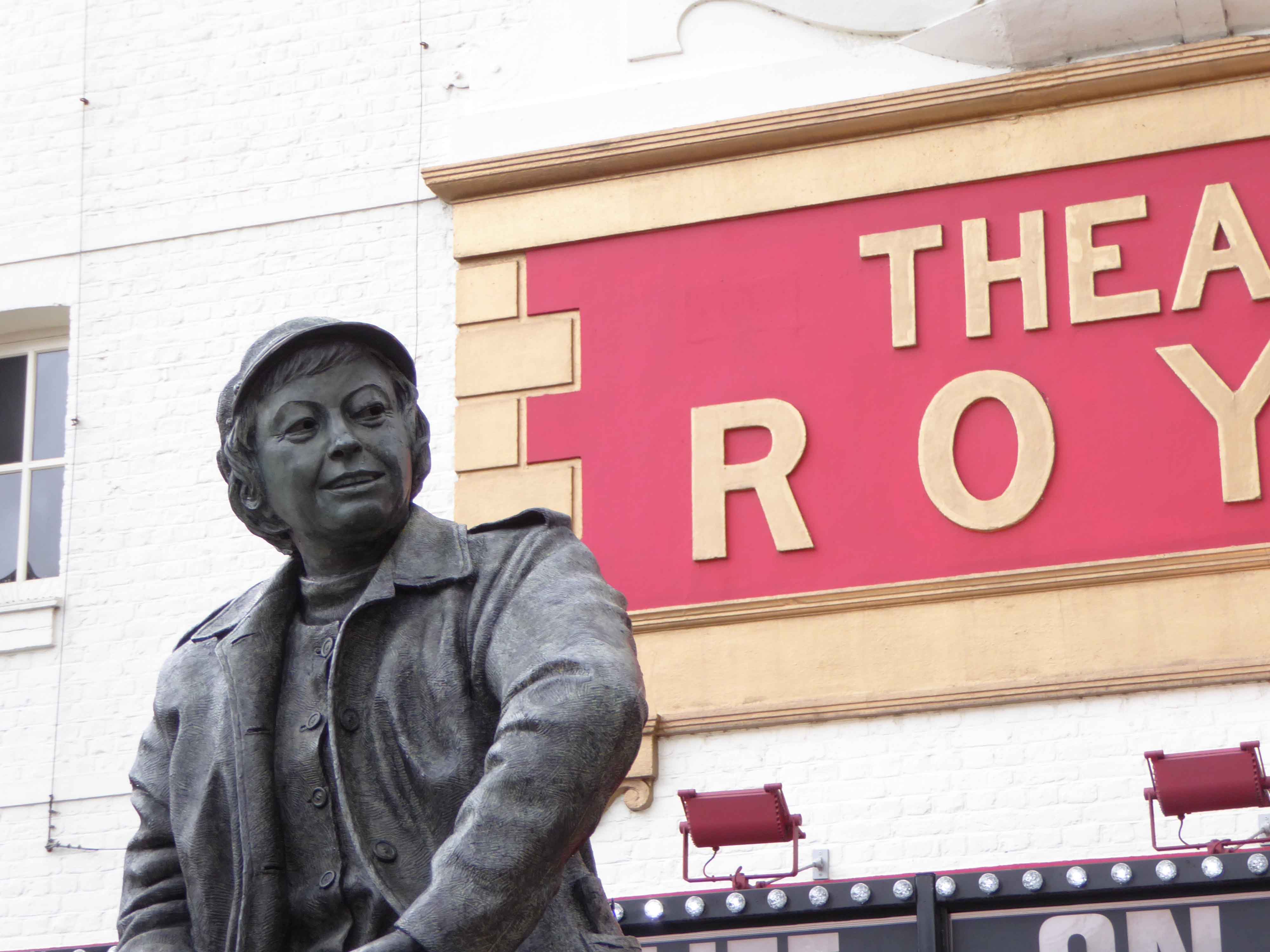
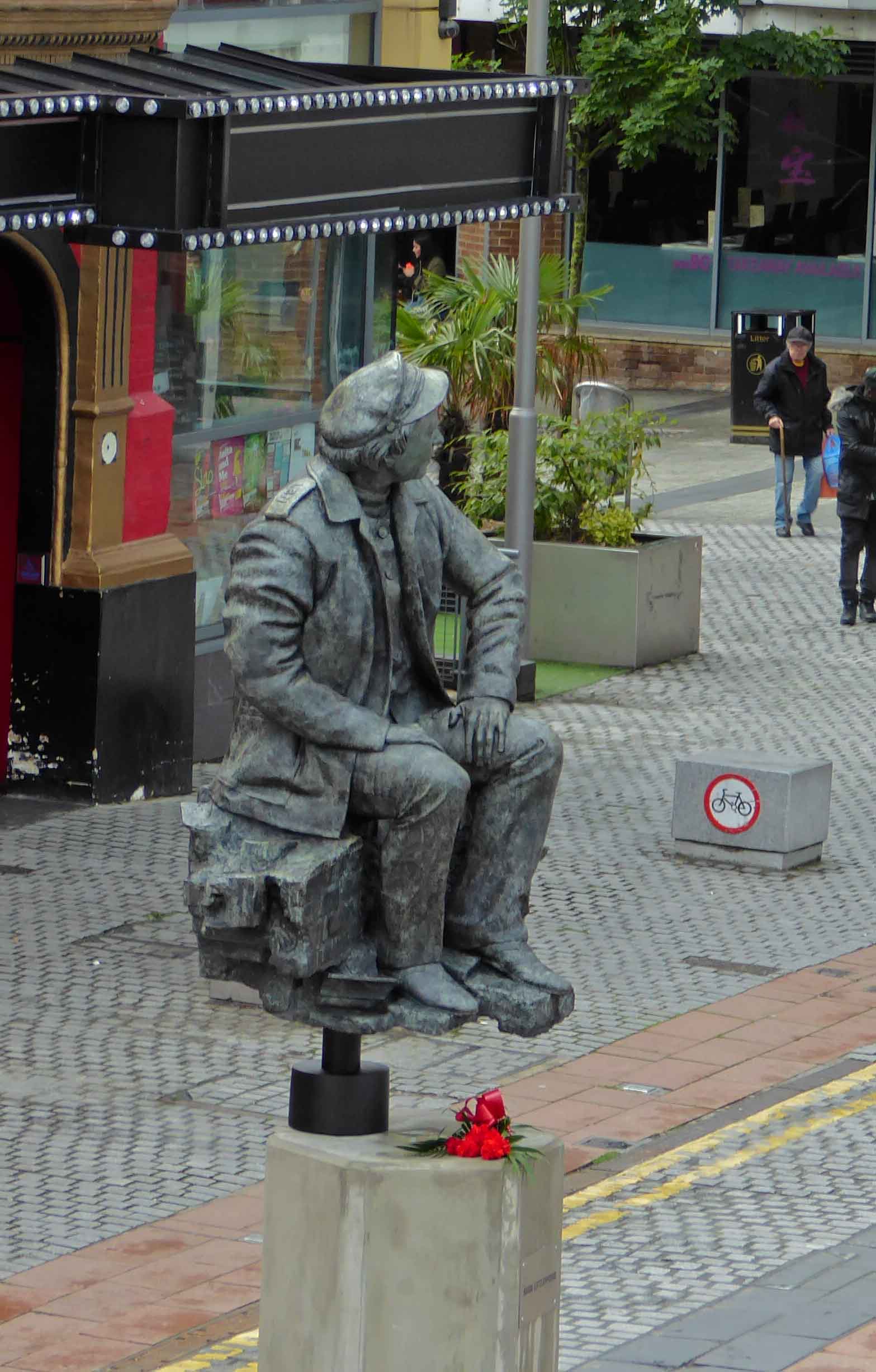
Statue outside the Theatre Royal in Stratford is apparently new. Yesterday she would have been 101.
Roger Lewis writes:
If Stalin had been a theatre director he’d have resembled Joan Littlewood. …Joan dismissed every one of the Redgraves (‘How do these untalented people make it?’) and when she saw Flora Robson, Cedric Hardwicke and Ralph Richardson, she was ‘appalled’. Shakespeare didn’t quite make the grade, because ‘too politically middle-of-the-road’, and neither did the second world war impress her, as it was ‘large, boring’.
The Secret Barrister tries to help a work experience student understand criminal court proceedings at Translating barrister-speak: A beginner’s guide.
For example, ‘My client has had the benefit of robust advice’ translates as ‘I have told the stupid dildo REPEATEDLY how utterly rubber ducked he is’.
Legal cheek decodes what a supervisor says to a supervisee.
For example, the supervisor says ‘I hear what you say’, the supervisee understands ‘He accepts my point of view’, but the supervisor means ‘I entirely disagree and do not want to discuss it further’.
This does ring very true.
Asylerheblichkeit
Globuli
phloem
podocarp
fish ladder
‘non-refoulement’
Schrankentrias
Verabschiedungskultur
smile timer
Baumpfleger